
Generational Well-being

What is Generational Well-Being?
Generational well-being is not merely a hopeful ideal; it’s a scientifically supported pathway achievable through the systematic application of Positive Psychology, the empirical science of well-being. At its core, generational well-being represents the ability of the woman behind the mother to build cycles of emotional and psychological health in herself, thereby providing a stable emotional inheritance of psychological capital for her children.
At Katherine Bush Coaching, our commitment to generational well-being is underpinned by robust research demonstrating that sustainable child well-being begins with the personal growth and psychological health of the woman behind the mother. It is the well-being of the woman behind the mother that acts as the catalyst for lasting generational change. This approach moves beyond surface-level strategies and recognizes a deeper systemic truth: psychological capital in mothers is not an optional luxury; it is a fundamental necessity.
Positive Psychology is essential in this context because it offers a scientifically validated framework for building psychological capital—the mental and emotional resources required to maintain sustained psychological health. Unlike traditional psychology, which typically focuses on repairing dysfunction and alleviating suffering, Positive Psychology aims to build strengths rather than merely address disorders. It moves individuals from a neutral state to greater levels of psychological well-being.
Without psychological solvency, the emotional and cognitive demands of motherhood, such as emotional regulation, co-regulation, and creating predictability for a child, can rapidly lead to psychological deficits. This deficit is not a failure of capability but rather a result of insufficient infrastructure and internal resources to meet parenting demands sustainably.
Many mothers face this deficit unknowingly because society emphasizes child development without providing mothers the tools and infrastructure necessary to maintain their psychological health. Advice such as “take a breath” or “prioritize self-care” is well-intentioned but insufficient. These suggestions don’t address the deeper, systemic issue: the need to sustainably replenish psychological capital.
Generational well-being requires the integration of two powerful bodies of knowledge: child development science and Positive Psychology. While child development research clearly outlines what children need to feel whole, Positive Psychology reveals how mothers can consistently and sustainably meet those needs. Historically, these two fields evolved separately, but Katherine Bush Coaching integrates them, positioning the mother’s psychological solvency as foundational to child development.
The reason maternal psychological solvency matters so profoundly lies in the psychobiological realities of parenting: children’s brains literally wire to the neurological and psychological patterns of their mothers. Early attachment science explains that human infants are neurologically unfinished at birth, making their brains uniquely adaptable but also highly dependent on environmental input, primarily the relational environment provided by their parents. Attachment isn’t just emotional bonding; it’s a biological imperative wherein a child’s brain organizes its own processes by replicating the mature neurological functions of the mother.

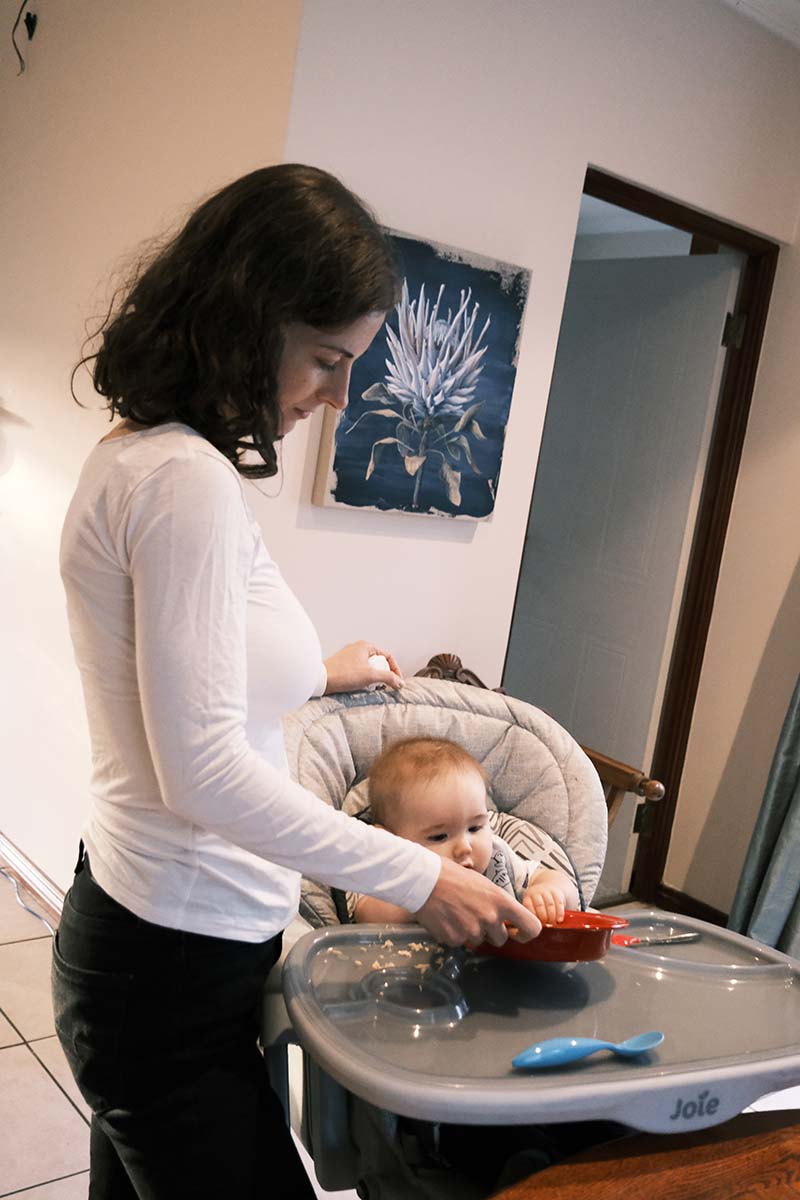
The quality of this attachment will inevitably reflect the mother’s psychological health and her capacity for emotional regulation. In short, mothers don’t just nurture their children; they become their children’s psychological blueprints.
Understanding this psychobiological transmission transforms our view of motherhood. It highlights a powerful responsibility and an even more profound opportunity: the act of investing in generational well-being.
To achieve this investment, mothers need first to build sufficient psychological capital, establishing solvency as their baseline. Once solvency is achieved, mothers can then strategically capitalize on psychological challenges, transforming stress into strength. This process, known as antifragility, allows mothers to not only withstand but grow stronger from the inherent challenges of parenting.
Through this structured application of Positive Psychology, mothers learn to leverage their internal experiences for sustainable emotional regulation, growth, and strength. This positions them to become not just caregivers, but also effective architects of generational psychological wealth.
Ultimately, generational well-being isn’t about idealizing parenting or eliminating challenges. It’s about equipping mothers with the robust psychological tools necessary to create and sustain psychological capital. When mothers prioritize their own psychological solvency, they inherently provide their children with the blueprint for emotional and psychological health, thus ensuring well-being not only today but across generations.